Techniques for managing stress and avoiding emotional suppression
Name It to Tame It (Emotional Labelling)
What it is: A cognitive tool for recognising and naming emotions in the moment.
Why it helps: Naming emotions activates the prefrontal cortex and reduces amygdala overactivity, creating space between feeling and reaction.
Used in: Mindfulness practice, Cognitive Behavioural Therapy (CBT), Emotional Intelligence (EQ) training.
Example: “I’m feeling overwhelmed,” rather than pushing through without reflection.
Diffusion Techniques (from Acceptance and Commitment Therapy – ACT)
What it is: Techniques to notice thoughts and emotions without getting entangled in them.
Why it helps: Prevents over-identification with distressing thoughts or feelings (e.g., “I am anxious” becomes “I notice I’m having the thought that I’m anxious”).
Used in: ACT-based coaching, mental health support for clinicians, burnout prevention training.
Reflective Practice and Narrative Medicine
What it is: Writing or discussing emotionally significant clinical experiences to make meaning of them.
Why it helps: Promotes emotional processing, self-awareness, and professional identity development.
Used in: Balint groups, Schwartz Rounds, clinical supervision, journaling. (1)
Example: After a difficult patient interaction, a doctor writes about the emotional impact in a secure reflective journal.
Balint groups and Schwartz Rounds are both reflective practice interventions used in healthcare, but they differ in their focus and target audience. Balint groups, primarily for doctors, focus on exploring difficult patient interactions through case presentations and discussions, fostering self-reflection and improved understanding of patient dynamics. Schwartz Rounds, on the other hand, are open to all healthcare staff and aim to create a safe space for reflecting on the social and emotional aspects of patient care, promoting empathy and connection.
Mindfulness-Based Stress Reduction (MBSR) and Breathwork
What it is: Focused attention practices that promote present-moment awareness and acceptance.
Why it helps: Encourages non-judgmental observation of emotions, reducing the impulse to suppress or act on them.
Used in: Resilience training for healthcare workers, wellness programs, self-care routines.
Example: A physiotherapist takes 3 minutes between patients to regulate breathing and recentre emotionally.
Techniques for managing stress and avoiding emotional suppression
Self-Compassion Practices (Kristin Neff’s 3-Component Model)
What it is: Practicing mindfulness, self-kindness, and recognising common humanity in difficult moments.
Why it helps: Supports emotional regulation without denial or self-criticism. Reduces burnout and shame.
Used in: Staff well-being initiatives, peer support groups, trauma-informed care programs.
Example: A nurse silently says, “This is a moment of stress. Stress is part of being human. I can be kind to myself.”
The 90-Second Rule
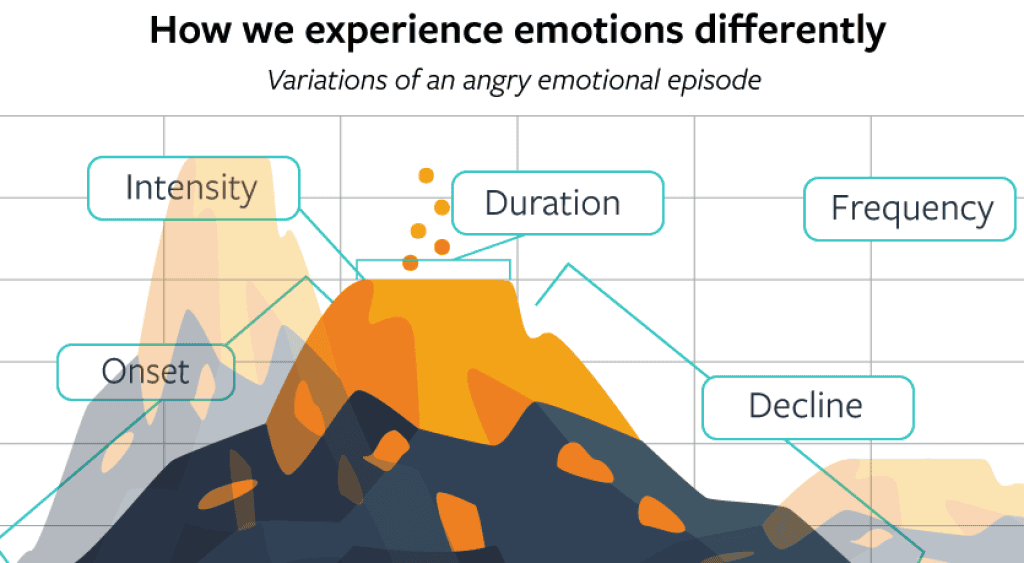
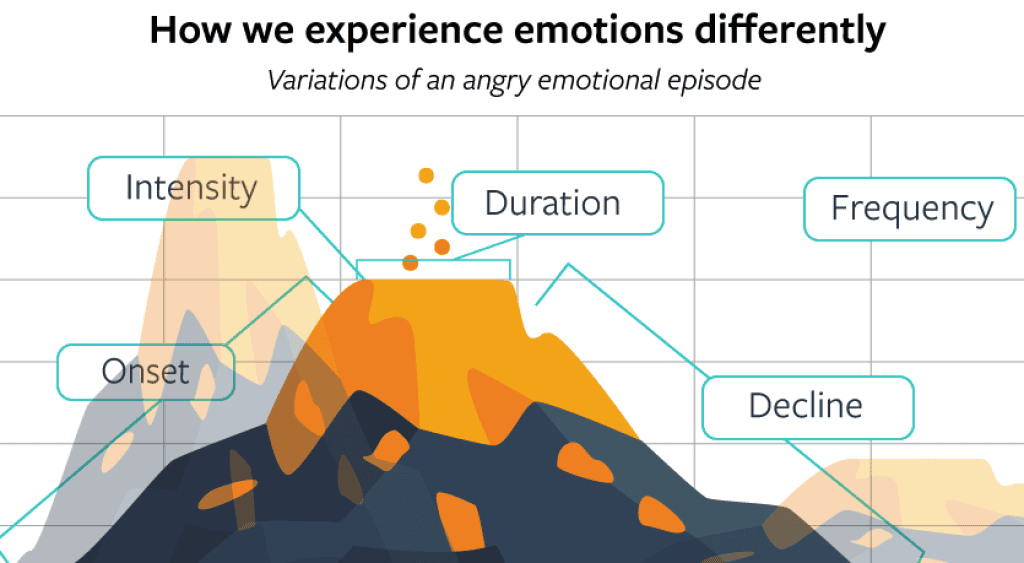
Neuroscience shows that emotions, when fully felt, pass in 90 seconds unless we resist them or fuel them with thoughts. (note the emotional refractory period – we may experience the emotion for much longer than 90 seconds)
Practice: Feel a recent emotion fully for 90 seconds without judgement. Let it rise and fall.
The Emotional Debrief
Use these three journals prompts to reflect (5–10 mins a day):
- What am I feeling right now?
- What triggered it?
- What do I need or want right now?