Two Lenses of Safety — Protecting and Unlocking Potential
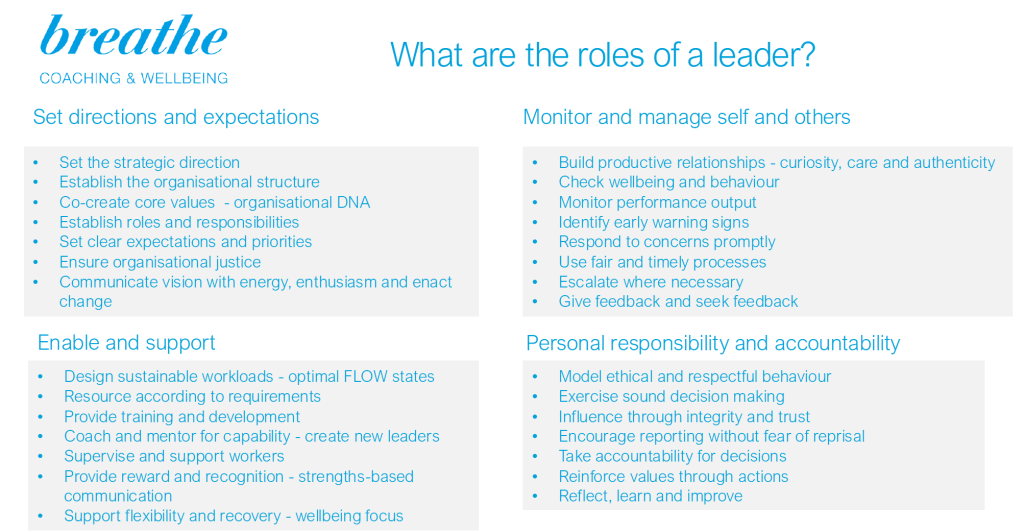
In our Future Fit Leaders workshop, we asked a simple but powerful question: what does it mean to feel safe at work? Some leaders immediately think about compliance — risk registers, policies, handbooks. Others think about culture — trust, belonging, whether people feel they can speak up. The truth is, we need both.
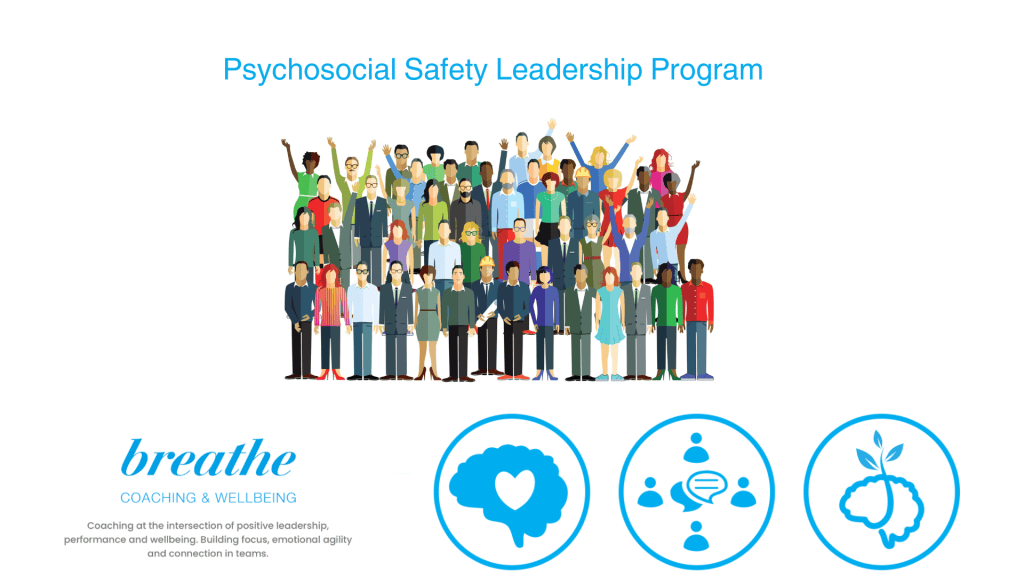
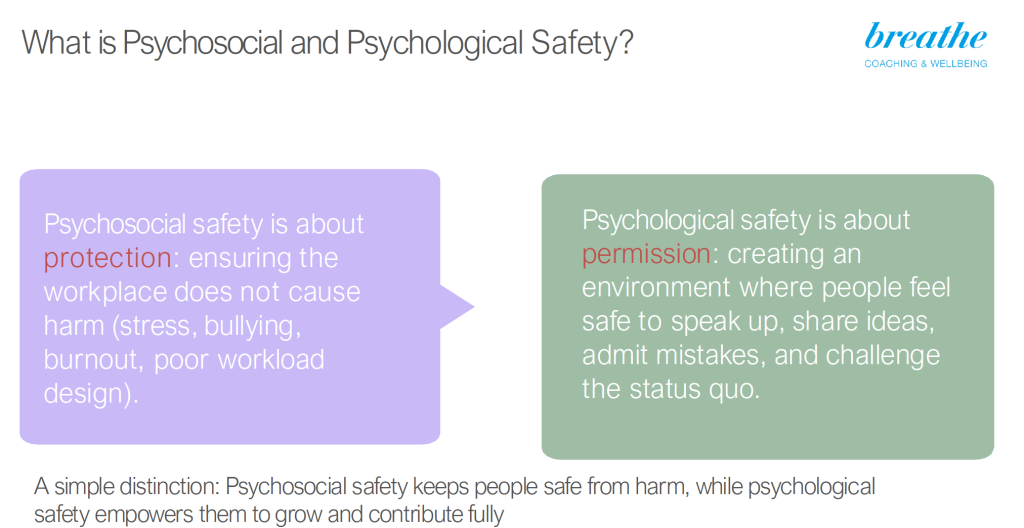
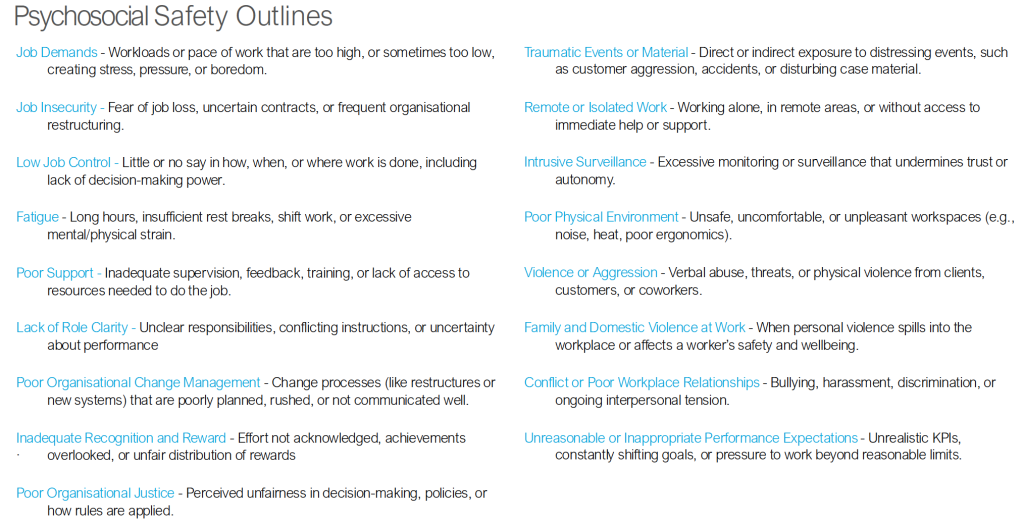
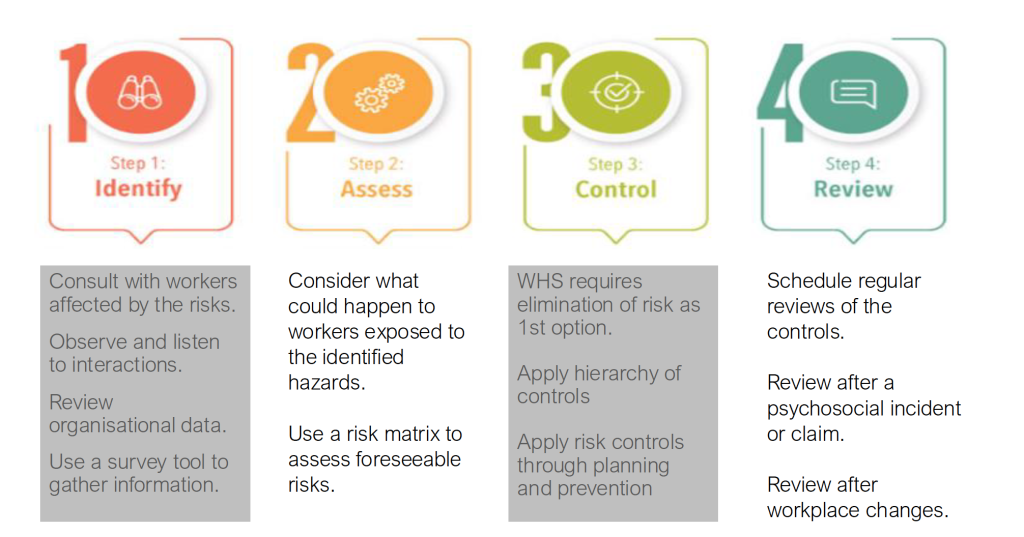
Psychosocial safety is about protection. It’s the floor that keeps people from falling into harm. Since 2023, Australian law has required businesses to treat psychosocial hazards like physical hazards. That means high job demands, poor role clarity, or bullying are no longer just “HR issues” — they are legal risks, with directors personally accountable.
Psychological safety, by contrast, is about potential. It’s the ceiling that lets people rise. Harvard professor Amy Edmondson defines it as the belief that we won’t be punished or humiliated for speaking up with ideas, questions, or mistakes. Without it, innovation stalls and teams go silent.
I often describe these two lenses with a metaphor: psychosocial safety is like installing strong guardrails on a cliff. Psychological safety is like building a lookout tower that lets people climb higher. One prevents falls, the other expands horizons. Together, they create a workplace where people are both protected and empowered.
Shares from our program
Seeing It in Action
If you’d like to go deeper, there are some wonderful talks that bring these ideas alive.
Amy Edmondson’s TEDx talk on building a psychologically safe workplace is the perfect starting point:
Rafael Chiuzi’s “The Case for Psychological Safety and Better Teams” extends this message:
And if you want a more emotional lens, Simon Sinek’s classic “Why Good Leaders Make You Feel Safe” is worth revisiting:
Why This Matters Now
The data tells us this is urgent. According to Safe Work Australia (2024), psychological injury claims have risen 36.9% since 2017–18. The median time off for a mental health claim is 34 weeks — compared to just 8 weeks for physical injuries. The median payout is $58,615, almost four times higher than for physical injuries. These aren’t just statistics; they represent real people — teachers, nurses, engineers, office staff — whose lives and workplaces were disrupted by preventable hazards.
At the same time, Gallup’s 2025 State of the Global Workplace Report shows that in Australia and New Zealand, only 23% of employees are engaged. Stress levels are rising, and “quiet quitting” remains widespread. And yet, 60% of Australians report they are “thriving” outside of work. That tells us something important: the problem isn’t resilience in people — it’s how work is designed and led.
The Four Stages of Safety
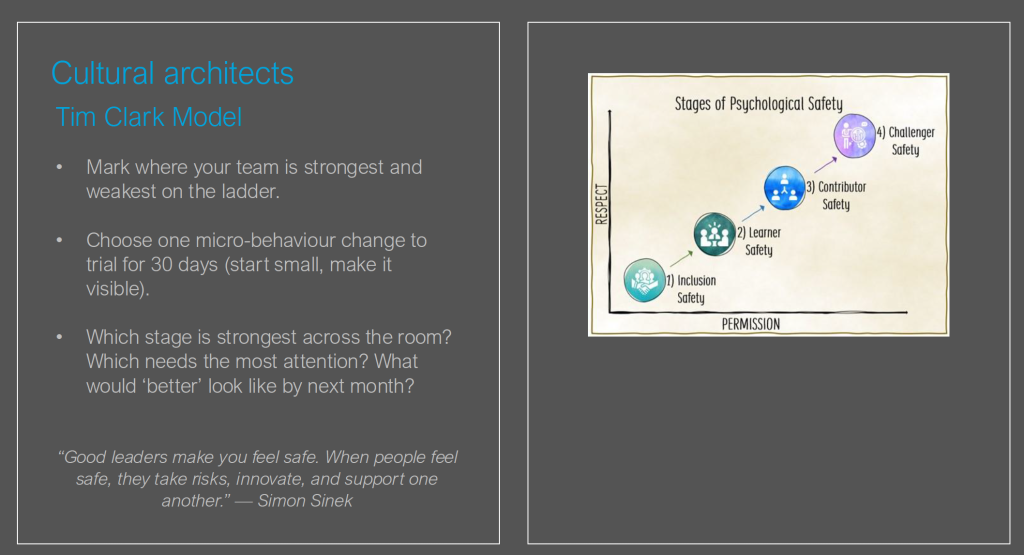
Timothy R. Clark’s Four Stages of Psychological Safety gives us a roadmap. He describes safety as a ladder:
1. Inclusion Safety — feeling accepted for who we are.
2. Learner Safety — being free to ask questions, make mistakes, and grow.
3. Contributor Safety — knowing we can bring our skills and strengths to the team.
4. Challenger Safety — feeling able to question and innovate.
Leaders grant permission for each stage. Every time you thank someone for raising a concern, you move your team up a rung. Every time you shut someone down, you push them back down the ladder.
Final Reflections
When myths dominate — “psychological safety is too soft” or “psychosocial risk is just HR’s job” — leaders disengage. But when we see the realities, opportunity emerges. The reality is that psychosocial safety is a legal duty and psychological safety is a performance driver. The reality is that people thrive when they feel safe and included. The reality is that leaders, through small daily choices, can protect people from harm and unlock their best work.
As Amy Edmondson reminds us:
“Psychological safety means people believe they won’t be punished or humiliated for speaking up with ideas, questions, concerns, or mistakes.”
And as Simon Sinek says:
“Good leaders make you feel safe. When people feel safe, they are more willing to take risks, experiment, and cooperate.”